


News | ዜናዎች | Oduu
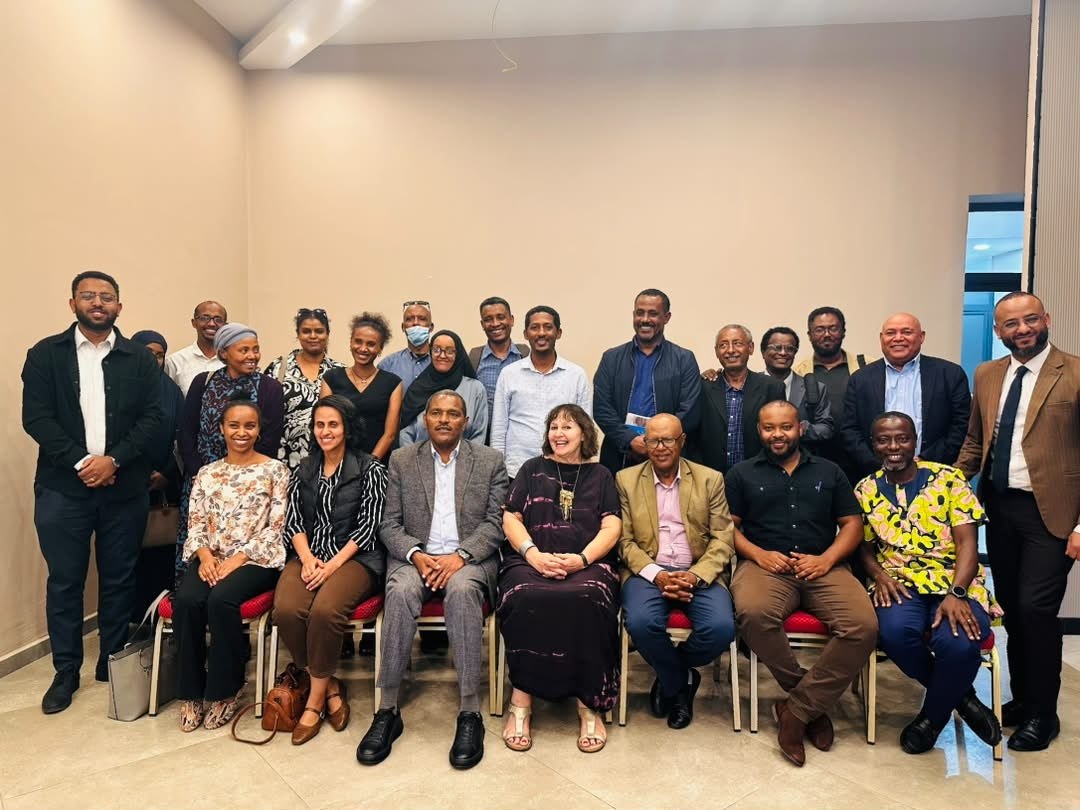
AfC-ECD and Think Equal Explore Opportunities to Strengthen Socio-Emotional Learning in Ethiopia
The African Center for Early Childhood Development (AfC-ECD) and Think Equal brought together leaders and professionals of 14 organizations working in pre-primary education, on 22 October 2026 in Addis Ababa. The meeting focused on exploring ways to strengthen socio-emotional learning in Ethiopia’s pre-primary education system.
In his opening remarks, Dr. Kebede Worku, CEO of AfC-ECD, highlighted the importance of stronger partnerships and closer coordination among organisations working in the sector. He also emphasised the Center’s role in providing a platform for stakeholders to share experiences and work towards better outcomes for children.
Dawit Legesse introduced AfC-ECD’s programmes, ongoing initiatives, research activities, scale-up efforts and workforce development plans. Dr. Tadesse Jaleta then presented Ethiopia’s integrated Early Childhood Care and Education (ECCE) curriculum, which incorporates personal, social and emotional development across its three-year programme. Through play-based and competency-based approaches, the curriculum supports children’s learning and development.
Leslee Udwin, Founder and President of Think Equal, introduced the organisation’s approach to supporting children’s social and emotional development. She stressed that children need opportunities to develop empathy, build positive relationships and learn to respect others, just as they need to develop literacy and numeracy skills. Think Equal’s approach focuses on three areas: wellbeing and mental health, psychosocial competencies, and social justice. It provides teachers with structured lesson plans to help bring these skills into everyday classroom activities.
The discussion explored how Think Equal’s approach could complement Ethiopia’s existing curriculum, government structures and teacher development initiatives.
Participants also considered how it could connect with AfC-ECD’s workforce development plans, which include training approximately 15,000 pre-primary school-teachers this fiscal year.
The role of parents and caregivers was another key topic. Participants emphasised that children need consistent support both at school and at home. They also identified existing parental coaching initiatives in Addis Ababa and the scale-up regions as possible opportunities to reinforce socio-emotional learning beyond the classroom.
Participants further highlighted the importance of adapting learning materials to reflect Ethiopia’s cultural and linguistic diversity while maintaining Think Equal’s core principles. In response, Leslee shared examples of Think Equal’s inclusive approaches, such as sign-language videos, audio materials and the use of facilitators to support implementation in pastoralist communities.
The conversation also touched on what it takes to sustain such initiatives over time. Leslee explained that Think Equal works with governments and other organisations to build local capacity, with its direct engagement in a country limited to one year. Participants highlighted the importance of government ownership, alignment with existing systems and the resources and institutional capacity needed to continue implementation.
The meeting identified several areas for further discussion, including curriculum alignment, teacher development, parental engagement, contextualisation, inclusion and sustainability. It also highlighted AfC-ECD’s potential role in bringing together government institutions, development partners and implementing organisations to coordinate efforts.
The exchange offered an opportunity for stakeholders to learn from one another and explore how Think Equal’s approach could complement Ethiopia’s existing pre-primary education system. Further technical discussions will help determine the feasibility and possible scope of collaboration between AfC-ECD, Think Equal and relevant stakeholders.